
The Coordination Fix: How Care Actually Comes Together
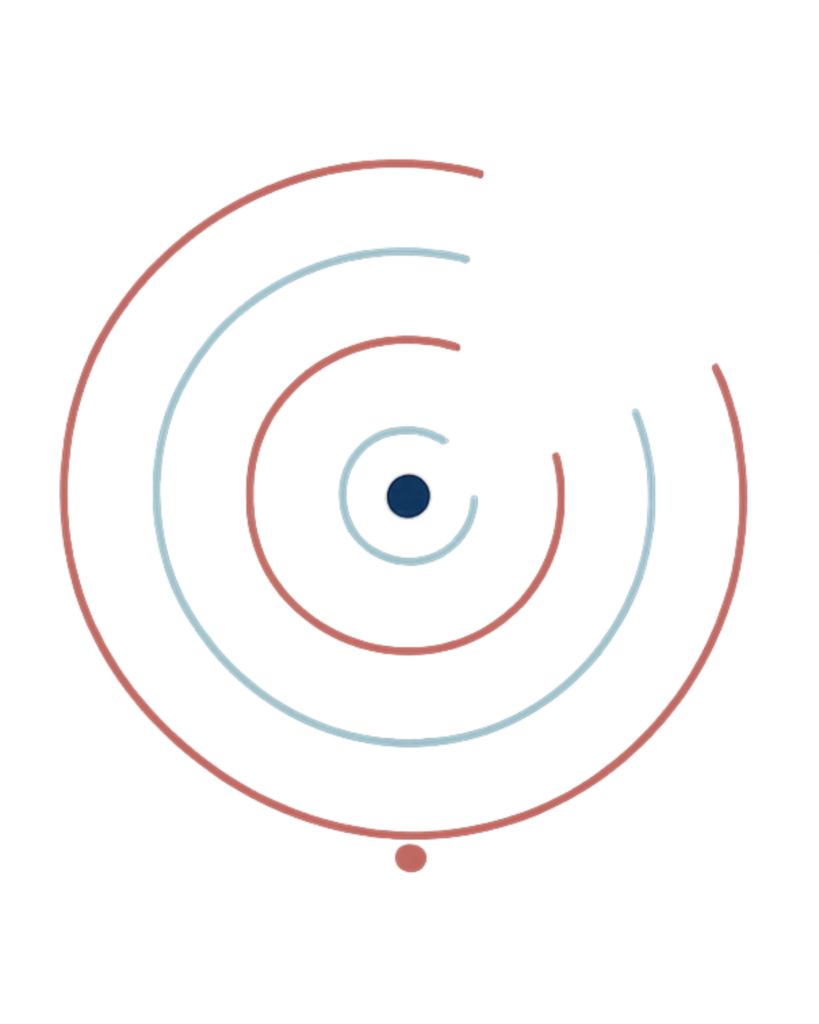
Integrated care isn’t theoretical — it’s a proven model that prevents readmissions, reduces medication errors, and eases caregiver stress. When a coordinator holds the full picture, every handoff becomes intentional. Appointments are booked before discharge, medications are reconciled, and follow‑ups happen early enough to catch complications. This organized approach consistently improves outcomes, yet the system rarely funds it because savings appear elsewhere. Emerging coordinated care organizations, like Coova Health, bridge this gap by connecting existing providers rather than replacing them. The model works. The challenge now is scale — making coordinated care accessible to the people who need it most.
The Invisible Burden: When Fragmented Care Becomes a Family’s Job
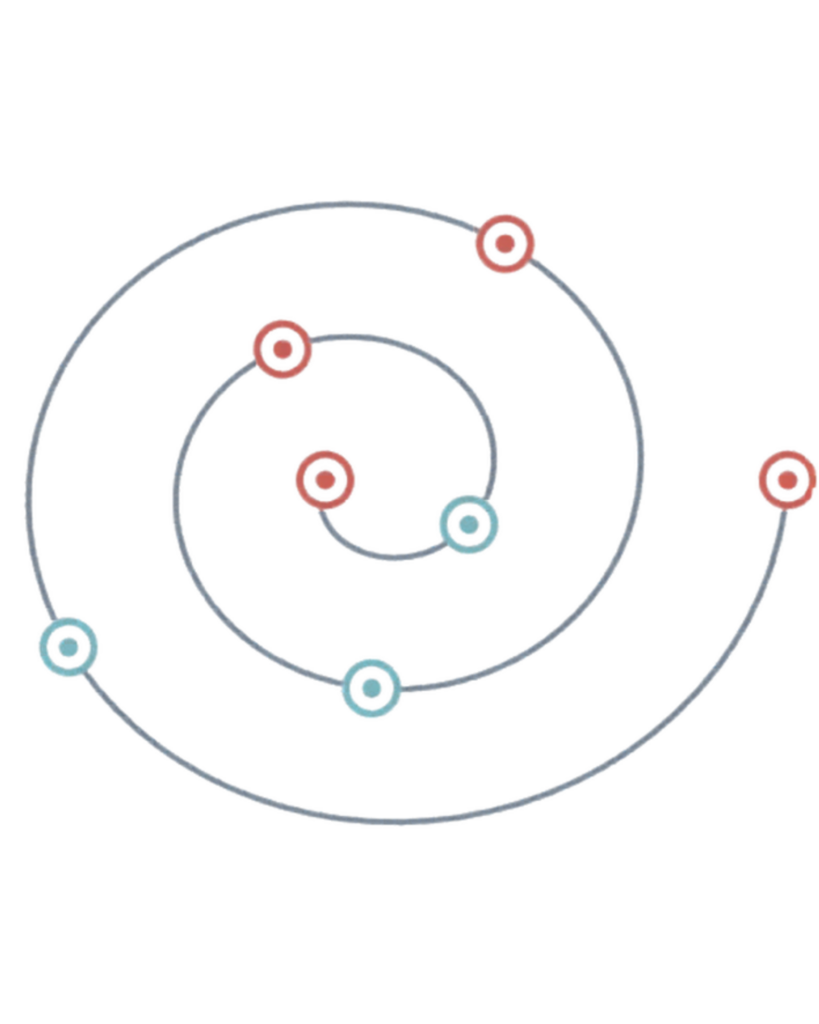
When the healthcare system drops the baton, families pick it up. Claire never asked to become her mother’s care coordinator, but fragmented care made the role unavoidable. She juggled appointments, medications, symptom monitoring, and endless phone calls — all while working and managing her own health. This unpaid labour is the hidden cost of poor coordination, and it’s pushing millions of caregivers toward burnout. Medication errors, delayed follow‑ups, and repeated readmissions don’t just harm patients; they strain families and overload the system. Fragmentation doesn’t disappear — it shifts, quietly and relentlessly, onto the people least equipped to carry it.
The Readmission Trap: Why One Hospital Visit Becomes Three

Hospital readmissions aren’t caused by bad care — they’re caused by care that never comes together. Margaret’s story shows how a simple discharge can unravel when no one coordinates medications, follow‑ups, or communication between providers. She left the hospital with new prescriptions, referrals, and instructions, but no plan connecting them. Two weeks later, she was back in the ER with the same issue. This isn’t a patient failure; it’s a system failure rooted in fragmentation. When no one holds the full picture, vulnerable patients fall through the cracks, driving billions in preventable readmissions every year.